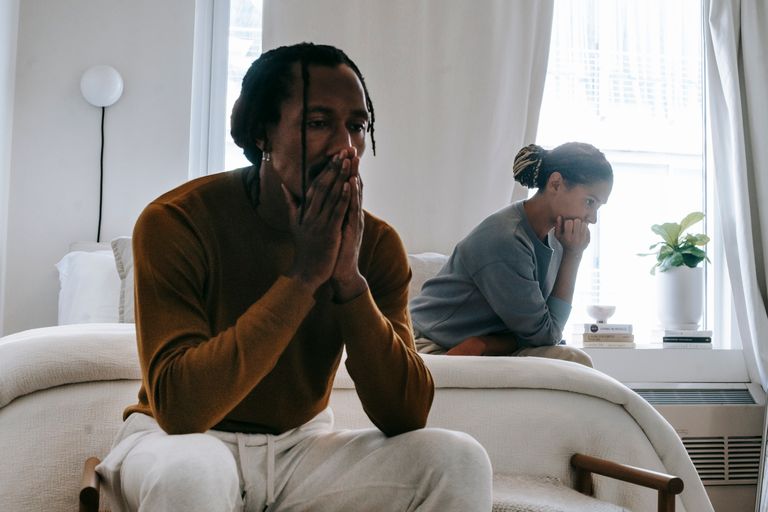
When the same argument keeps returning, it can start to feel like the relationship itself is the problem. One person may feel unheard, while the other feels criticized or shut out. Even couples who deeply love one another can lose their sense of connection under the weight of stress, parenting, work demands, grief, past hurts, or changes they did not expect.
Couples counseling Orlando can offer a place to slow those patterns down. Rather than deciding who is right or wrong, counseling creates room to understand what is happening beneath the conflict and practice new ways of responding to each other. You do not have to wait until your relationship is in crisis to ask for support.
When Couples Counseling Orlando May Be Helpful
Many couples seek counseling after a major rupture, such as infidelity, a painful breach of trust, separation, or repeated conflict about money, intimacy, parenting, or family boundaries. These are valid reasons to reach out. But counseling can also be supportive when nothing dramatic has happened and you simply recognize that you no longer feel like a team.
Maybe your conversations turn tense quickly. Maybe you avoid difficult topics because talking feels exhausting. Perhaps one of you wants more closeness and the other needs more space, leaving both partners feeling lonely in different ways. These experiences do not automatically mean a relationship is failing. They often mean a pattern has formed that the two of you have not yet had the tools, time, or emotional safety to change.
Counseling may also help when one or both partners are navigating anxiety, depression, trauma responses, grief, major life transitions, or overwhelming responsibilities. Mental health struggles can affect patience, emotional availability, sleep, decision-making, and intimacy. That does not make anyone a burden. It means the relationship may need more understanding, clearer communication, and support that honors each person’s experience.
What Happens in Couples Counseling?
It is understandable to feel nervous about a first appointment. Some people worry the counselor will take sides. Others fear they will be asked to share something before they are ready, or that counseling will confirm their worst fear about the relationship.
A thoughtful counseling process is not about assigning blame. It is about helping both partners feel heard while taking an honest look at the dynamic between them. The focus is often less on proving whose version of an event is correct and more on understanding the cycle that keeps creating pain.
For example, one partner may raise a concern because they are longing for reassurance. The other may hear the concern as criticism and become defensive or distant. The first partner then pushes harder to be heard, and the other withdraws further. Over time, both people may feel rejected, even though each is trying to protect something tender inside themselves.
In sessions, you may have opportunities to name these patterns, identify the emotions beneath them, and learn how to communicate more directly. This can include practicing how to express a need without attacking, how to listen without immediately defending, and how to pause a difficult conversation before it becomes hurtful.
Progress is not always linear. Some sessions may bring relief and closeness. Others may stir up sadness, anger, or questions that have been waiting for attention. A supportive counselor helps you move at a pace that is honest and manageable, not rushed.
Counseling Is Not About Perfect Communication
Healthy communication does not mean you will never disagree. Couples can have different personalities, values, communication styles, and needs. The goal is not to erase those differences. It is to help you handle them with more respect, curiosity, and care.
You may learn to recognize when a conversation is no longer productive and take a meaningful pause rather than storming away. You may begin replacing assumptions with questions. Instead of saying, “You never care what I think,” you might practice saying, “When decisions are made without me, I feel disconnected. Can we talk about this together?”
Those changes can sound small, but they can create a very different emotional experience over time.
Repairing Trust Takes More Than an Apology
Trust can be affected by betrayal, secrecy, broken promises, emotional distance, financial decisions, or years of feeling dismissed. For some couples, there is one clear event. For others, trust has worn down slowly through unresolved disappointments.
An apology can be an important beginning, but repair usually requires more. The partner who caused harm may need to take responsibility without minimizing the impact. The hurt partner may need space to express pain and ask questions without being pressured to “get over it.” Both people may need to establish clearer agreements about honesty, boundaries, and what accountability looks like moving forward.
There is no universal timeline for rebuilding trust. It depends on the nature of the hurt, the willingness to be transparent, each partner’s history, and whether emotional and physical safety are present. Counseling can help couples have these difficult conversations with greater structure and compassion.
At the same time, counseling is not meant to persuade someone to remain in a relationship that is unsafe, coercive, or abusive. If there is fear, threats, violence, controlling behavior, or retaliation for speaking honestly, individual safety must come first. A counselor can help clarify next steps and identify appropriate support.
How to Know Whether You Are Both Ready
Couples do not need to arrive at counseling with the same level of hope. It is common for one person to be eager and the other to be uncertain. What matters is whether both partners can show up with some willingness to be honest, listen, and consider their own role in the pattern.
You do not have to know exactly what to say. In fact, many people begin with a simple truth: “We keep getting stuck, and we do not know how to get unstuck.” That is enough to begin.
Readiness can look different from one couple to another. For some, it means coming in before resentment grows deeper. For others, it means seeking support after trying to resolve things on their own for months or years. If one partner is reluctant, a calm conversation about the purpose of counseling can help. It is not about proving that someone is broken. It is about giving the relationship a protected space to be understood.
Choosing a Counselor for Your Relationship
The relationship with your counselor matters. You and your partner deserve someone who is nonjudgmental, attentive, and able to hold space for both perspectives. Look for a licensed professional whose approach feels respectful of your background, values, and goals.
It can also help to ask practical questions before beginning: How are sessions structured? What is the counselor’s approach to conflict and trust repair? Will there be clear goals? How will each partner have room to speak? The answers do not need to be perfect, but they should help you feel more informed and at ease.
At Maye Angel, couples are met with compassion, practical perspective, and a strengths-based approach. The work begins by recognizing that even when you feel far apart, you each bring experiences, needs, and capabilities that deserve care.
Small Shifts You Can Practice Between Sessions
Counseling offers a place to learn and process, but meaningful change also grows in ordinary moments at home. Start with one small commitment rather than trying to fix everything at once. You might set aside ten minutes to check in without discussing logistics, ask one clarifying question before responding to a difficult statement, or name one thing you appreciated about your partner that day.
If conflict starts to escalate, try noticing the early signs in your body and voice. Are you speaking faster? Getting louder? Going quiet? A brief pause can be helpful when it is paired with a plan to return to the conversation. Saying, “I want to keep talking, but I need twenty minutes to settle down. Can we come back at 7:30?” is very different from leaving without reassurance.
Most relationships are not changed by one perfect conversation. They are shaped by repeated moments of repair, honesty, and willingness to turn toward each other again. If you are feeling stuck, asking for support can be a caring step for your relationship and for yourselves.