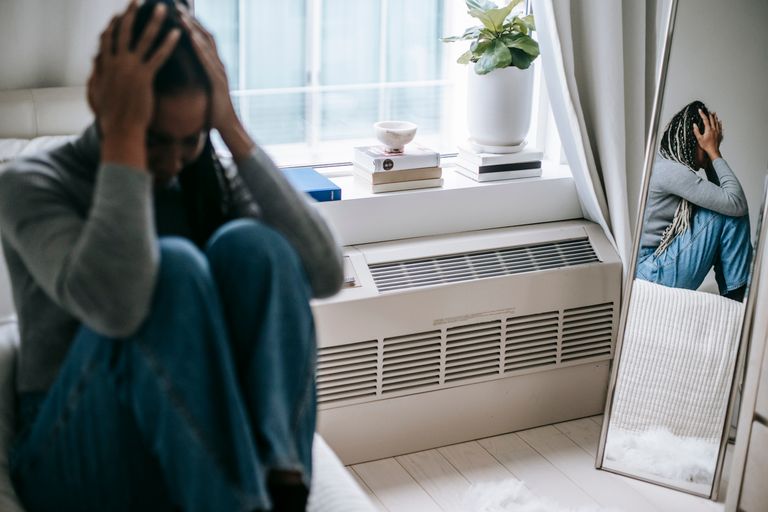
Your heart is racing. Your chest feels tight. A thought flashes through your mind: Something is wrong. In that moment, it can be hard to tell whether you are experiencing anxiety versus panic attacks, or whether you need immediate medical care. The sensations can feel frighteningly real because they are real – your body is responding to a perceived threat, even when you cannot see one in front of you.
You are not weak, dramatic, or failing because these experiences feel difficult to manage. Anxiety and panic can both make daily life feel smaller, from avoiding a meeting or a crowded store to lying awake replaying every possible outcome. Understanding the difference can offer language for what is happening and help you choose the support that fits.
Anxiety Versus Panic Attacks: The Main Difference
Anxiety is a natural response to stress, uncertainty, or danger. It often builds gradually and can stay with you for hours, days, or longer. You might feel on edge before a hard conversation, worry about finances throughout the week, or carry a persistent sense that you need to prepare for something bad.
A panic attack is a sudden, intense surge of fear or discomfort. It often reaches its strongest point within minutes. During a panic attack, your nervous system can react as if you are in immediate danger, even if you are sitting safely at home, driving to work, or trying to fall asleep.
Both experiences deserve care. The difference is not about which one is more valid. It is more about the pattern: anxiety tends to be ongoing and tied to worry or stress, while panic is usually more abrupt and physically intense.
What anxiety can feel like
Anxiety does not look the same for everyone. For some people, it sounds like a constant stream of what-if thoughts. For others, it shows up in the body first: tense shoulders, stomach discomfort, trouble concentrating, irritability, fatigue, or difficulty sleeping.
You may still be able to go through your day while feeling anxious, but everything can take more effort. A simple decision may feel loaded. Rest may not feel restful because your mind continues scanning for what needs to be handled next. Anxiety can also lead to avoidance, which may bring short-term relief while making the feared situation feel even bigger over time.
What a panic attack can feel like
Panic attacks often arrive quickly. Common symptoms include a pounding heart, sweating, shaking, shortness of breath, dizziness, nausea, chills or hot flashes, numbness or tingling, and a feeling of losing control. Some people fear they are having a heart attack, passing out, or dying.
A panic attack can also bring a sense of unreality or disconnection from yourself or your surroundings. Afterward, you may feel exhausted, embarrassed, or worried that it will happen again. That fear of another attack can become its own source of anxiety.
Having one panic attack does not automatically mean you have panic disorder. Panic attacks can occur during periods of major stress and can be connected with several mental health concerns. They can also occur alongside medical conditions or be influenced by substances, medications, caffeine, or changes in sleep. A qualified health professional can help you understand the full picture.
Why the Two Can Feel So Similar
Anxiety and panic share many physical symptoms because both involve the body’s stress response. When your brain senses threat, it can release stress hormones that prepare you to fight, flee, or protect yourself. Your heart rate rises, your breathing changes, and your muscles tighten.
The challenge is that the body does not always distinguish between an actual emergency and a feared possibility. A stressful email, an unresolved conflict, a painful memory, or a crowded space may activate the same alarm system. If you have experienced trauma, prolonged stress, grief, or major life changes, your nervous system may be especially sensitive to cues of danger.
This is one reason self-judgment rarely helps. Telling yourself to just calm down can add shame to an already overwhelming moment. A more compassionate starting point is: My body is trying to protect me. I can learn how to respond to it with care.
What to Do When Panic or Anxiety Shows Up
Start by orienting yourself to the present. Look around the room and quietly name what you see: the color of a wall, the feeling of your feet on the floor, a familiar sound nearby. This does not erase the feeling immediately, but it gives your brain information that you are here, now, and not alone with the alarm.
Next, try to soften your breathing rather than forcing deep breaths. Breathing too quickly can intensify lightheadedness or tingling. A gentle approach may help: inhale comfortably, then allow your exhale to be a little longer. If counting makes you more anxious, simply focus on releasing your jaw, lowering your shoulders, and letting your breath find a slower rhythm.
It can also help to use a steady, believable statement. Instead of insisting that nothing is wrong, try saying, This is uncomfortable, but it will pass. I have felt intense feelings before and I can take one moment at a time. The goal is not to argue with your experience. It is to meet it with enough steadiness that your nervous system has room to settle.
After the moment passes, be gentle with yourself. Drink water, eat if you have not eaten in a while, rest if possible, and notice what was happening before the symptoms began. Patterns can be useful information, not evidence that you have done something wrong.
When to Seek Medical or Mental Health Support
New, severe, or unexplained symptoms should be taken seriously. Chest pain, trouble breathing, fainting, or symptoms that feel different from past anxiety or panic experiences can have medical causes. Seek urgent medical attention when needed, especially if you are unsure whether you are experiencing an emergency.
Counseling can be helpful when anxiety is affecting sleep, work, school, relationships, parenting, or your ability to enjoy your life. It can also help if you are avoiding places because you fear another panic attack, if worry feels constant, or if you have been carrying the weight of stress alone for a long time.
In counseling, you do not have to arrive with the perfect explanation. You can begin with the simple truth: I do not feel like myself, and I want to understand what is happening. A supportive therapeutic relationship can help you identify triggers, make sense of the thoughts and experiences beneath the symptoms, practice coping skills, and build trust in your ability to move through difficult moments.
For some people, progress includes learning practical ways to calm the body. For others, it means exploring unresolved grief, trauma, relationship strain, perfectionism, or life transitions that have kept the nervous system on high alert. Often, it is a combination. Healing is not about never feeling anxious again. It is about feeling less controlled by fear and more connected to your own capacity.
If you are having thoughts of harming yourself or feel unable to stay safe, contact emergency services or call or text 988 for immediate crisis support in the United States.
You do not need to wait until anxiety or panic has taken over your life to ask for help. With patience, honest support, and tools that fit your needs, you can make more room for calm, connection, and the life you want to live.